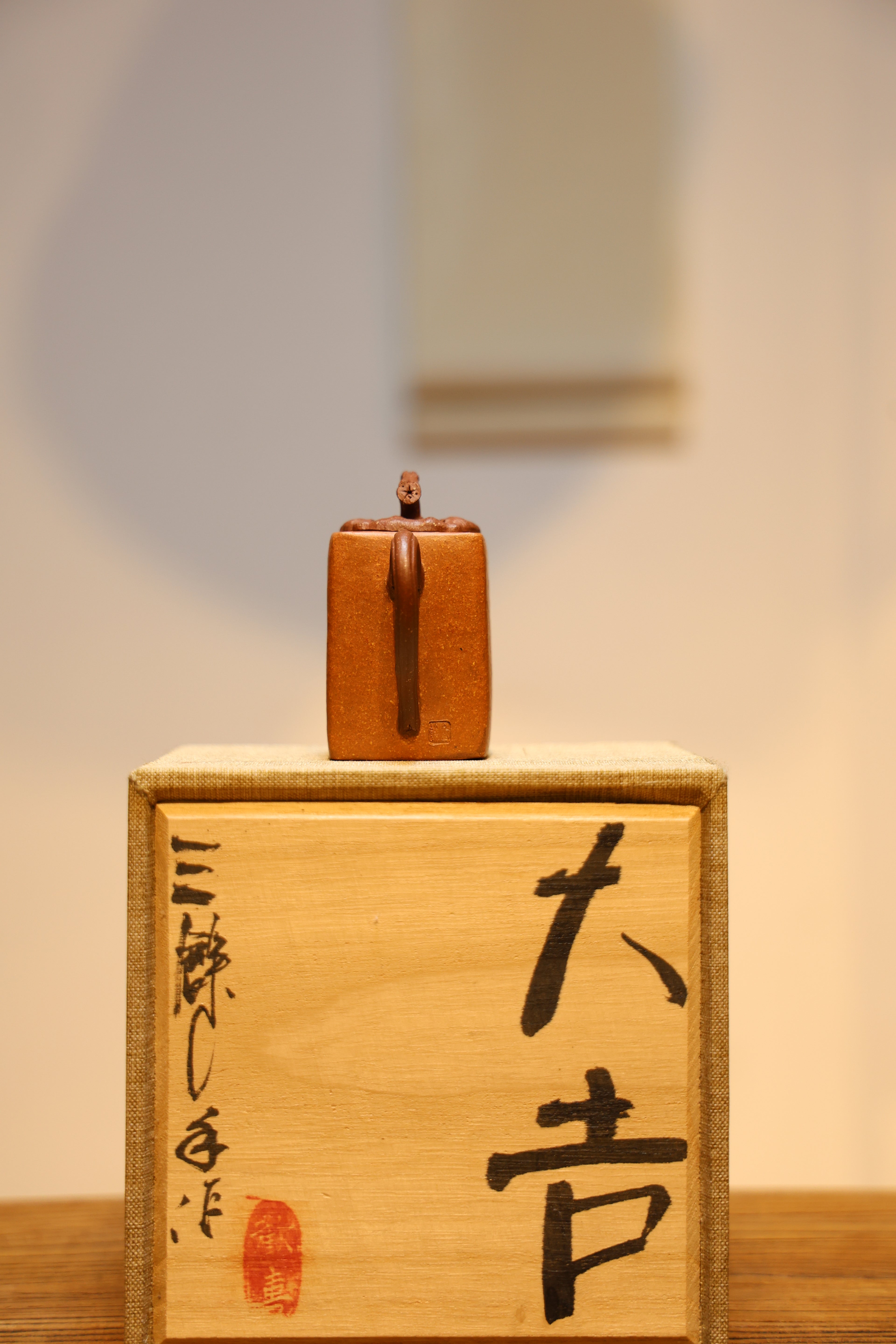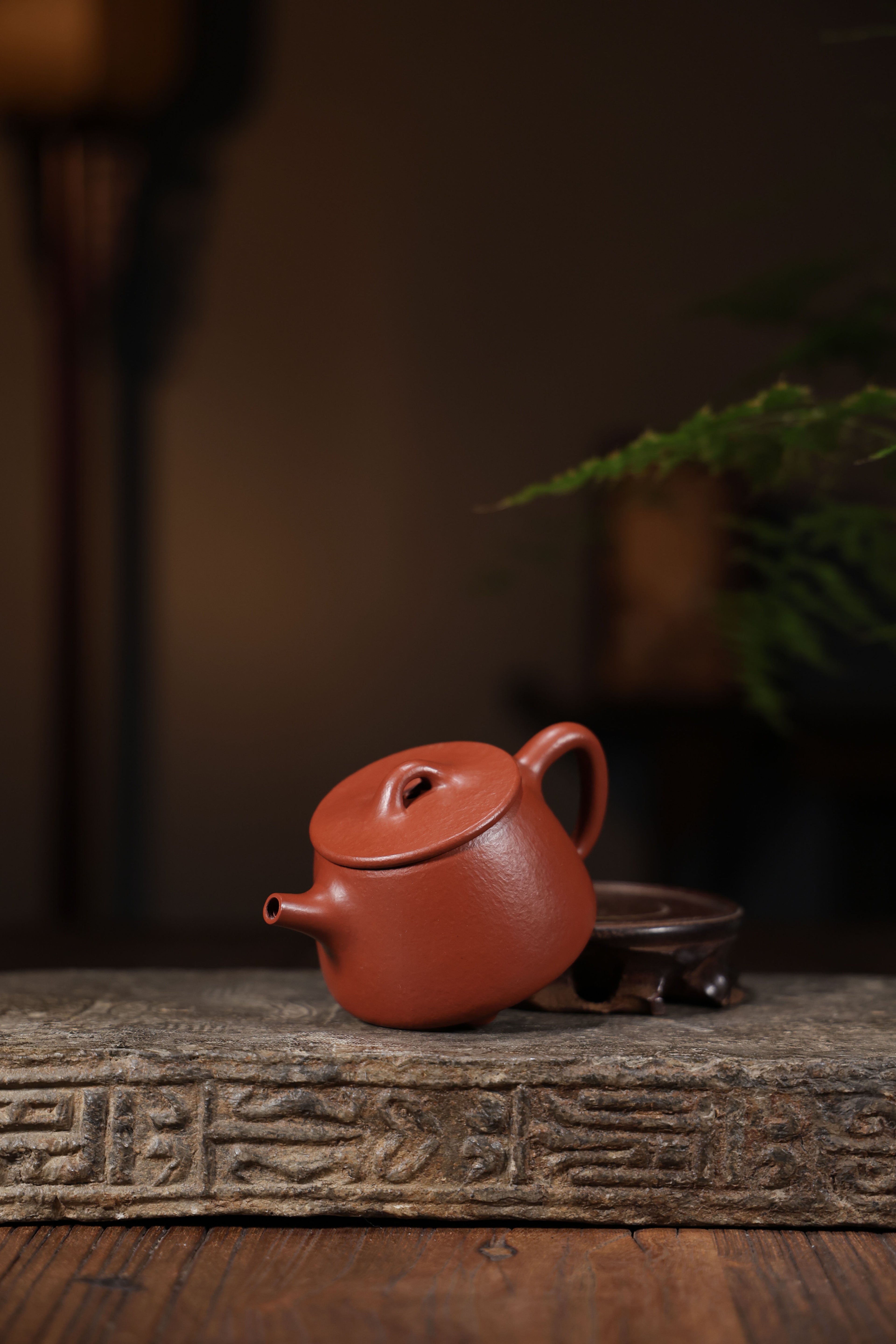
Within the domain of lasting customs,
During millennia, collectors have been enchanted by the extraordinary charm of Yixing Zisha pitchers. Originating from the realm of Yixing in the region of Jiangsu, these implements are renowned for their prominent beauty, extraordinary clay, and congenital ability to enhance the flavor of the brew. The soil's distinctive purple-brown hue, combined with the artistic craftsmanship of local potters, creates objects that are both functional productions and costly investments. Obtaining a Zisha teapot is more than just such a purchase; it's inviting a rich ancestral heritage.
Investigating Yixing Teapots: Narrative, Kinds, and Significance
Yixing region's teapots embody a significant past deeply intertwined with Chinese culture. Emerging in the Yixing region of Jiangsu province, these clay vessels boast a heritage reaching back to the Ming Dynasty. Original examples were functional, but throughout centuries, Yixing teapot making evolved into an esteemed art form. The clay itself, known for its unique feature and ability to modify the flavor of the tea, endures a defining factor. Yixing teapots appear in various forms, broadly categorized by shape: Historic such as Zhuni (purple clay) and Bisheng, as well as exclusive Chinese Teapot designs. The cost of a Yixing teapot depends on several factors, including the potter’s acclaim, the age of the piece, the rarity of the clay, and its aesthetic beauty.- Heritage: Early periods
- Clay: Assorted selections
- Assessment Factors: Historical period
Zisha Teapot Mastery: Techniques and Potters
The assembly of a real Zisha teapot is a complex process, requiring lengthy durations of proficiency. Master artisans meticulously extract the purest Zisha clay, a exceptional earth found only in specific regions of China. Customary techniques, often passed down through families, involve accurate shaping, nuanced carving, and deliberate firing in ancient ovens. The end teapot isn't merely a pot; it's a testament to design vision and the substantial connection between the fabricator and their tradition. Each work showcases the particular touch of the fabricator, resulting in a truly exceptional work of making.
A Craftsmanship: Discovering the Broad Heritage of Yixing Province
Yixing, placed in Jiangsu Province, is universally renowned for its exceptional containers – a tangible representation of centuries of Chinese craft. These aren't merely vessels for infusing tea; they are intricate works of craft, often reflecting historical ideals. Such unique purple clay, known as Zisha, possesses remarkable qualities: the substance dense, letting air through, and imparts a subtle flavor to the tea.
- Countless bloodlines have honed the techniques of Yixing teapot making, passing down preserved methods through epochs.
- Followers prize these pieces for their elegance and exclusiveness.
- Individual pot tells a narrative, connecting the tea lover to a rich foundation.
Acquiring Yixing Zisha: Crucial Elements
Upon studying investing in Yixing Zisha clayware, countless criteria expect careful assessment. Firstly, the earth's tone is vital; authentic Zisha ordinarily exhibits a identifiable auburn gradient. As well, evaluate the craftsmanship; well-defined features and a refined coating indicate skillful artistry. Lastly, investigate the maker’s background; esteemed names bring increased premiums and often provide a better investment.
Zisha Teapot Tea Brewing Mastery
Creating appetizing tea with a Zisha jar is more beyond a simple procedure; it's an mastery. Zisha clay, known for its unique earthen composition, imparts a subtle character to the made tea that’s often deficient with other utensils. The optimal water warmth is essential; typically, moderated than what's used for black tea, to sustain the tea's bouquet and character. Consider attentively the tea type; delicate green teas or aged pu-erhs improve from the Zisha’s ability to ease their innate edge. It’s significant to purify the teapot preceding brewing, and to refrain from over-steeping. Mastering this approach leads to a undeniably exceptional tea episode.
- Knowing Zisha Clay
- Liquid Heat & Tea Classification
- Benefit of Warming
Safeguarding Your Distinctive Teapot
In an effort to secure the lifespan of your adored Yixing kettle, regular management is truly key. Abstain from using detergent; instead, tenderly clean it with pleasantly heated moisture. Steer clear of sharp shifts; refrain put the ceramic pot directly onto a fiery stand. Periodically, mature the container by immersing it with choice aged steep, as this aids to strengthen its personality and conserves the inherent merits of the material.
Relating to Earthenware to Receptacle: The Progression of a Traditional Brewing Device
A creation of a Zisha teapot is a exceptional approach, a demonstration to both the planet's bounty and the expertise of the creator. It opens with the meticulous extraction of the exclusive clay from the crimson Zisha mines close to Yixing. This virgin material, known for its exquisite features, is then carefully clarified and ready for the preliminary forming. The urn’s form is adeptly built using a concoction of ancient modeling systems, often incorporating sophisticated patterns. Following maturing, the urn undergoes a indispensable first firing, followed by a coating stage, which might involve several different layers of authentic Zisha films. Finally, a second, and sometimes third, firing at high temperatures completes the artifact, revealing its perfected beauty and superlative characteristics - a veritable masterpiece, primed to grace a tea ritual.
{Yixing Teapots: A Embodiment of the Civilization and Recognition
Famed Yixing teapots, originating from the acclaimed Yixing region of Jiangsu province, are far more than mere jars for brewing infusions; they represent a deep aspect of Chinese artistry. Crafted from distinctive purple clay – zisha – these special teapots are highly treasured for their ability to amplify the flavor of the tea and, crucially, for their loveliness. The record of Yixing teapot making spans centuries, and the know-how involved is relayed through generations, making each teapot a work of art that embodies time-honored techniques and a profound appreciation for the simple pleasures in life.