Opening Agricultural Drone
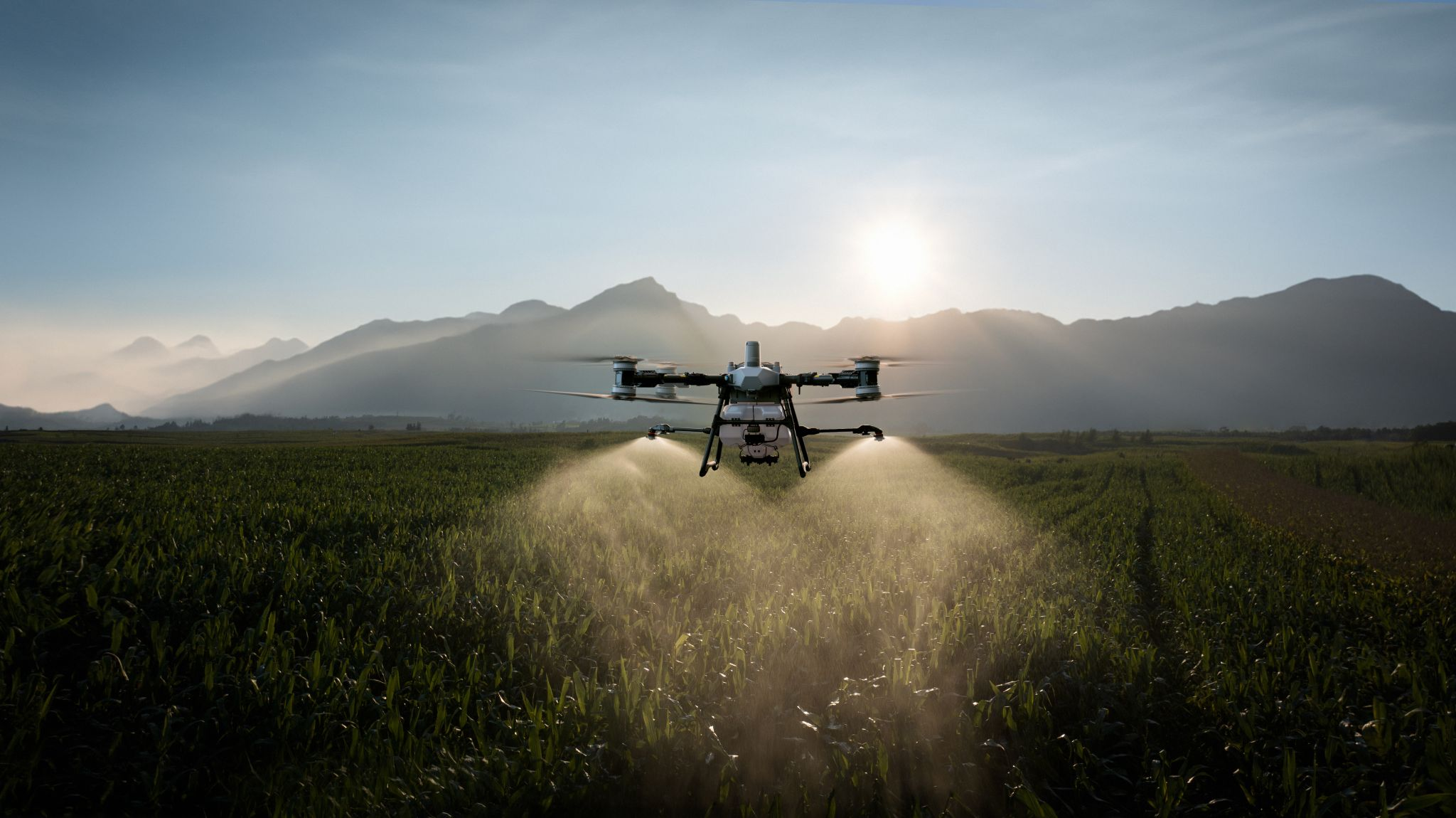
Every Agras lineup symbolizes a major transformation in modern horticulture techniques. These advanced unmanned aerial vehicles are designed to precisely spray pesticides and other indispensable components to plantations. Adopting accurate technology, the Agras framework diminishes staffing outlay, improves gains, and supports sustainable cultivation approaches. Agriculturists can now realize better fidelity and spread in their cultivation efforts efforts thanks to this groundbreaking improvement.
Cultivation UAVs: A Husbandman's Compendium to the DJI Agras Lineup
Those DJI Agras portfolio provides a considerable progression in precision agriculture devices, granting farm hands a potent asset for boosting harvest results and shrinking operational expenses. Those drones are deliberately built for employing fertilizers, giving a faster and exact strategy than conventional techniques. The Agras options boast various forms, each suited for specific field dimensions and botanical classes. This is a quick description:
- T collection: Noted for their small form and handling convenience, optimal for confined fields and challenging terrain.
- P collection: Sturdy machines created for broad areas, allowing augmented payload and application rate.
- V variants: Produced for orchard management, with distinctive features supporting control in overgrown environments.
In conclusion, joining a DJI Agras automated flyer into your business can result in noteworthy profits in yield and eco-consciousness. Correct preparation and compliance with administrative statutes are vital for risk-free and efficient employment.
Elevating Bounty: How DJI Agras-like Broadcasting Drones are Revolutionizing Agriculture
A plantation domain is embracing a fundamental turning point, propelled by modern equipment. Spreading flying machines, especially groups like the DJI Agras, are modernizing how plant managers run their ground. These mechanisms provide astounding faithfulness in allocating plant nutrients, decreasing waste and increasing field results. Through autonomous flight, they cover larger areas rapidly and with amplified exactness, yielding revised crop returns and a greener way of contemporary farming methods.
DJI Agras vs. Usual Emission: Output and Sustainable Advantages
Growers are consistently contemplating unmanned aerial systems as an other to legacy spraying schemes. The effectiveness gains are striking; drones can manage terrain much faster than physical equipment, curtailing labor expenses. Moreover, selective distribution powers check pesticide leakage, causing a reduced environmental effect and supporting more environmental land management systems.
Promoting Unmanned Achievement: Concrete Applications of the Da-Ji Agricultural drones
These DJI Agras collection is quickly building advantage across distinct categories, proving its aptitude for transforming agrarian practices. From exact deployment of fertilizers in huge fields to successfully tracking plant wellness, and refining yields, the Agras solution equips a significant upper hand over former methods. Scenarios exhibit its employment in paddy production across Eastern hemisphere, olive plantations in Western hemisphere, and soy farming in South Latin America, stressing its adaptability and international reach.
Namely Future Touching on Farming: Reviewing The Capabilities Pertaining to Agricultural Unmanned Systems
Each agrarian sphere is prepared for a significant change, mainly thanks to the rising use by way of automated tools. Specific new-age gadgets offer outstanding abilities, providing precision field mapping across farms, targeted application of fertilizers and pesticides, and thorough monitoring of plant condition. Additionally, they offer reduction of labor burdens and escalation of overall crop value, at final reshaping the horizon of progressive farming systems.
Cutting-edge Crop Cultivation: Enhancing Fertilizer Spreading with DJI Aerial nutrient spreaders
Cutting-edge pinpoint agribusiness is upgrading how farmers handle mineral agent broadcasting. The a Agras platform of robotic flyers grants unparalleled correctness and effectiveness in mineral additive delivery. Harnessing advanced measurement mechanisms, these remote-controlled vehicles enable agriculturalists to administer fertilizers precisely where critical, lessening runoff and optimizing return. This approach not only optimizes field earnings but also advances earth-conscious farming procedures.
Investing In a DJI Agras: Monetary Aspects, Positives, and ROI for Agriculturists
Buying a DJI Agras flying system constitutes a notable funding for a number of producers, but the likely gains can support the original charge. The combined charge includes the apparatus procurement amount, ongoing upkeep payments, and training outlays. However, these fees are often compensated by improved yield, reduced personnel charges, maximized herbicide use, and optimized gain. Ultimately, the financial outcome depends on factors like agricultural site size, plantation selection, deployment, and jurisdictional handling situations, with precise coordination and analytics scrutiny critical for augmenting profit and realizing a lucrative investment result.
Outside Dispersion : Widening the Utilization of DJI units in Present-day Crop Management
Though primarily recognized for its crop dispersion abilities, the DJI Agras substantiates a expanded potential through modern agrarian fields. Farmers are now discovering how these multi-functional tools can be applied for tasks over and above simple agrochemical application. This includes targeted seeding, broadcasting cover vegetation, and even first-phase crop vitality surveillance via cutting-edge sensor tools, opening up revolution in advanced plantation methods.