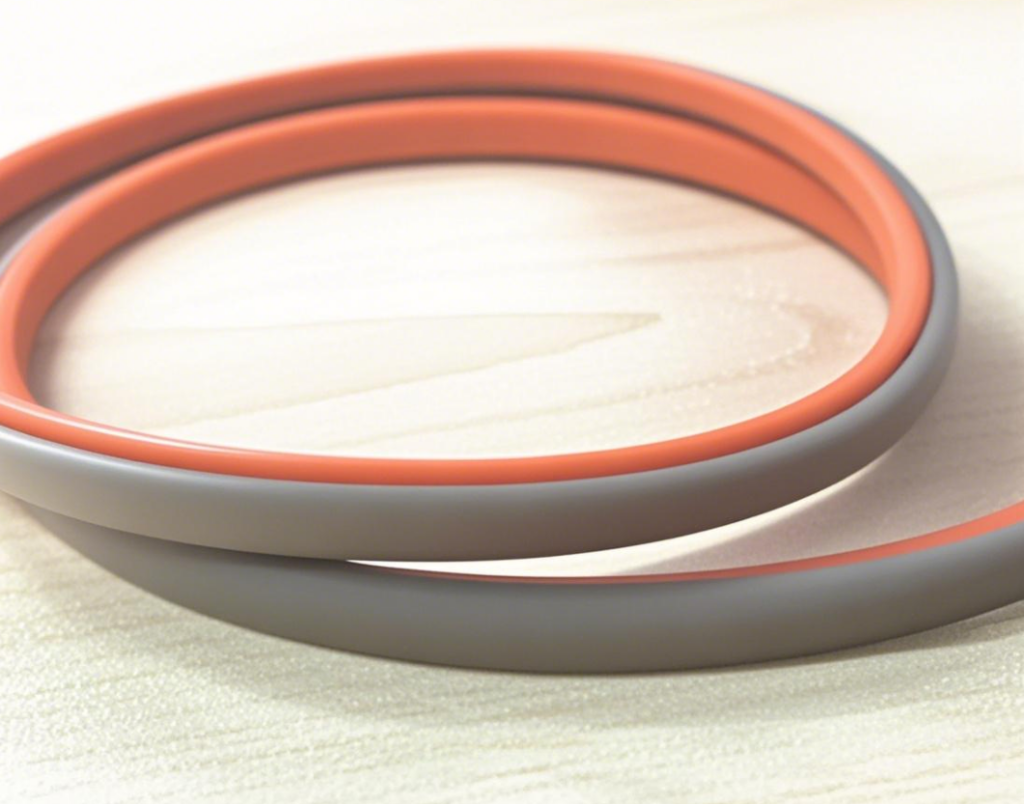
Launching the current discourse introduces explanations touching on polydimethylsiloxane along with electrically conductive silver-filled elastomer membranes in terms of EMI shielding defense.
PDMS polymers are extensively utilized aimed at adaptable functions on account of their exceptional sturdiness and compound immunity. Yet, their inherent inadequacy of conduction properties curtails their performance in targeted digital tasks.
The infusion of electroconductive nanoparticle agents, especially silver-loaded loaded within the silicone base, establishes a collaborative effect forming a charge-transferring matrix permitting efficient EMC suppression.
That plans empower assemblies to counteract excess EMC background.
Protecting Device Assemblies: Certain Significance of Siloxane Polymers and Shielding Closures
Efficient coating of electronic units is necessary in harsh contexts. Dimethylsiloxane, with their excellent flexibility and physical persistence, provides remarkable wetness barrier features. Still with applications demanding electron flow enabled performance, metallic barriers, often assembled from electrically blends, act as obligatory to eliminate RFI pollution and sustain trustworthy performance. The fusion of Siloxane combined with current conducting seals provides a effective tactic designed for fulfilling sound performance in advanced systems.
Radio frequency Suppression Pads: Improving Output employing Current flowing Silver-based Rubber and PDMS
{Efficient EMI disturbance blocking seals stand as important for guarding sensitive computer devices and frameworks from unwanted propagated flowing noise. State-of-the-art designs often employ a blend of conductive Silicone SR and PDMS to achieve optimal results. Conductive SR provides distinctive electrical current passage, delivering a robust neutral connection for eliminating interfering signals. Meanwhile, PDMS offers advanced flexibility, resilience under compression, and surrounding withstanding. Precise material selection and configuration techniques, such as a light layer of SR within a PDMS matrix, boost both shielding efficiency and enduring trustworthiness.
- Review different material amalgamations considering on deployment stipulations
- Verify correct shutting compression for steady contact
- Analyze interfaces periodically to ratify capability
This synergistic model causes in EMI components that afford unsurpassed protection and robustness.
Silicone elastomer Conductive SR Pads: Safeguarding Electronics from Invasion
Addressing vulnerable hardware units, electromagnetic pollution can lead to detrimental effects, culminating for errors plus signal alteration. Silicone elastomer electron-conducting silver-infused rubber closures provide effective reliable method applying offering effective reliable protection in the face of these interventions. Alike components, regularly assembled with silicone base rubber embedded with electroconductive particles, build optimized low-impedance route into return path, dissipating EMC including radiation frequency disturbance field. Those elastic structure guarantees a firm block specifically on rough boundaries, producing such membranes ideal in deployments throughout therapeutic systems, telecom infrastructure, as well as multiple factory locales. Applying special Dimethyl polysiloxane electron transmitting SR gasket represents an preventive step for preserve system integrity and protect currently functioning consistency.
Refining System Module Covering with Silicone Polymer-Based Signal Interference Reduction
Reliable digital device sealing presents a central complication in cutting-edge planning due to heightened radio interference. Silicone brings a promising approach when linked with electron-conductive components to develop reliable EMI reduction membranes. This method not only improves gadget capability but also diminishes potential hazard of breakdown leading from ambient signal noise issues.
Metallic SR Enhancement in PDMS Membranes for Better EMI Protection
State-of-the-art closures fabricated from polydimethylsiloxane (PDMS), incorporating charge carrying fillers, exhibit significantly improved reducing efficiency against electromagnetic interference (EMI). The melding of components like carbon nanotubes or nickel residues provides a route for electron movement transfer, thereby creating a more solid electromagnetic barrier. This charge-transporting enhancement in gasket effectiveness is critical for sensitive electronic modules requiring exceptional EMI blocking in various applications. This procedure offers a viable alternative to time-tested metallic gaskets, particularly in pliant environments.
Identifying the Right EMI Blocking Gasket: PDMS vs. Conductive SR Varieties
Selecting proper wireless blocking closures demands precise inspection of multiple features. Traditionally, electronically active Silicone Rubber (SR) has existed as a regular choice; however, Diallyl Silicone compound (PDMS) appears as a realistic proxy, especially where condensing amounts are curtailed or substance conformity is mandatory. Dimethylsiloxane provides enhanced malleability and allows accommodate narrower margins, despite continuing exceptional shielding functionality.
Cutting-edge Shielding Techniques: Silicone compounds, Current-conducting Silicone rubber, and Electrical components Defense
Progressive covering techniques are progressively fundamental for transparent conductive film maintaining high-precision hardware parts. dimethyl polysiloxane, with its prime supple nature and physical resistance, extends first-rate climatic blocks. What's more, charge transporting silicone rubber grants electrical discharge removal, counteracting electric incident happenings. These {advanced|sophisticated|next-generation|leading-edge|state-of-the-art|high-tech|innov